Need emergency tree removal in Castle Pines?
Request an estimate and describe your tree. A local provider from our network will follow up. No obligation to hire.
No obligation
Request an estimate today
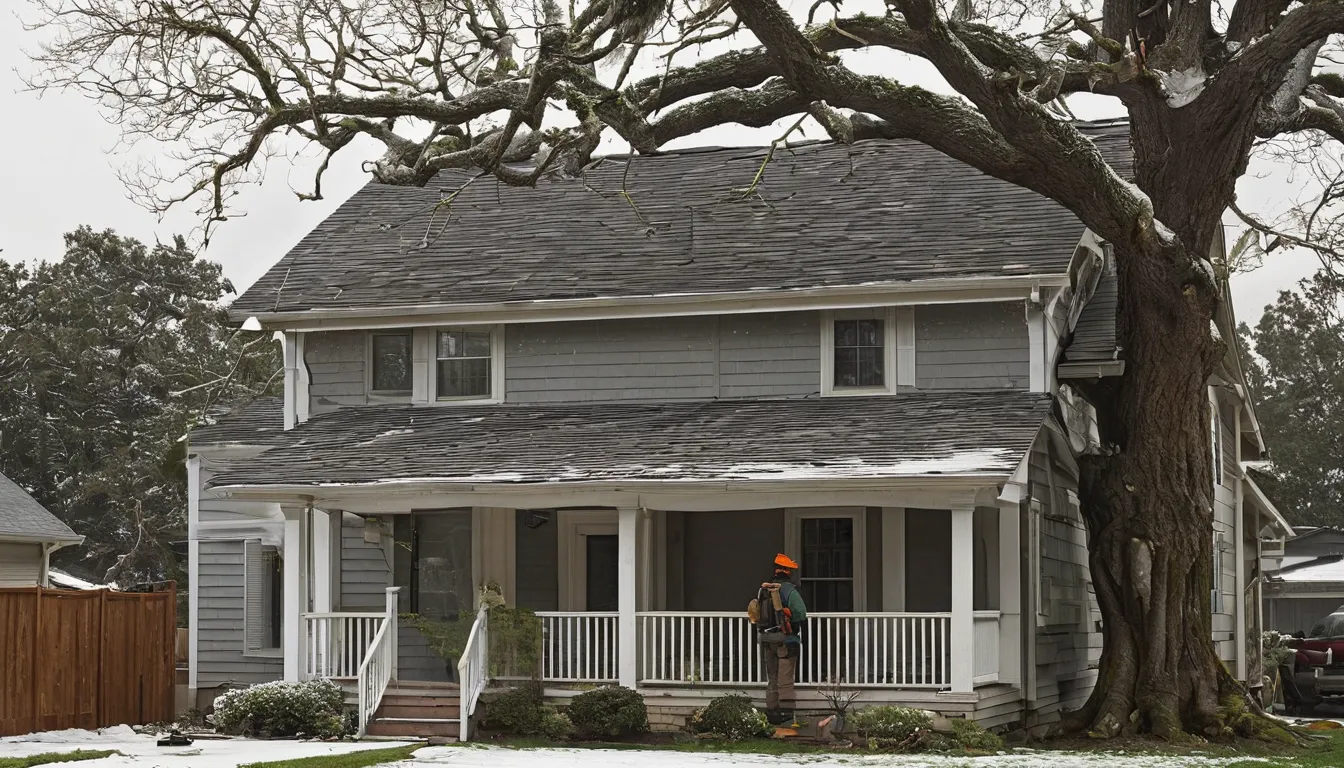
A fallen tree on a roof, fence or driveway cannot wait for a normal schedule. This page covers emergency tree removal in the order that matters: stay safe, sort out what is urgent, then reach a provider who can do the work.
Yetartist Tree Service is a referral service. We do not cut or haul anything. We connect homeowners in the Castle Pines area with independent local providers, and many can respond quickly when a tree is a real danger. Older houses get extra attention here, because aging roofs, past repairs and hidden weak spots change how a tree should come down. You request an estimate, compare your options, and nothing is required until you pick a provider.
Before anything else, check the tree and whatever it touches. Stay back. A tree resting on a roof, fence or line can shift without warning.
Emergency tree removal is for danger that cannot wait. Think of it as a ladder, most urgent first:
1. A tree on a person, a vehicle or a lived-in part of the house. 2. A tree tangled in power lines, or blocking the only way out. 3. A tree on the roof, with sagging or a possible leak. 4. A leaning tree that moved after a storm, with soil lifting at the base. 5. A large broken limb hanging over a walkway or room.
A tree down in a far corner of the yard, away from buildings, can often be scheduled normally. So can a split limb over open lawn. Say this when you ask for help. Providers sort their day by risk, and honest details put you in the right place in line.
Older homes change the plan. Roof decking may be softer than it looks. Past repairs can hide weak spots. Old chimneys, porches, stucco and wood siding can crack under a falling limb.
Tell the provider how old the house is and what has been repaired. A provider may lower the tree in small sections with ropes or a crane instead of dropping big pieces. Plan before cutting.
Heavy snow loads snap branches and split trunks. Hail bruises bark and opens the wood to decay. Fast spring melt softens the soil, so roots can let go. Dry air and strong sun at altitude can leave stressed trees brittle.
Follow this order:
1. First, request an estimate and describe where the tree is and what it touches. 2. Next, a provider in our network reviews the details, often with photos. 3. Then the provider decides what is safe to cut and in what order. 4. Last, the tree is cut, cleared and hauled, or left cut up for you.
The providers do all of this work. Yetartist Tree Service only makes the connection.
A tree falling service takes down a standing tree that is still a risk. Removal of a tree that has already fallen is a different job. It may mean freeing it from a roof or fence. Name your situation so the provider brings the right gear.
After a major storm, many homes need help at once. Storm tree clearance may be limited by road access, utility work and weather. Expect some waiting. Request a callback to check provider availability, or use the request form and keep your details ready.
Some policies may cover sudden damage from a fallen tree, so check your policy. Providers can often help document damage for a claim. Take your own photos first, then ask the provider for a written description of the work.
If the roof is open, a provider may secure a tarp or recommend a roofer. Keep valuables and basement areas dry. Stay out of rooms under a damaged ceiling. Do not stand on a roof to check it.
An emergency job often leaves a stump or a torn root ball. The first goal is safety, so stump work may come later. Ask the provider what they leave and what they remove.
After the cleanup, look at the other trees. Check for leaning, dead branches, cracks and mushrooms near the base. Have a provider look at any tree that is close to the house. Older homes with aging roofs and foundations gain the most from this check.
Compare answers, then pick the provider you are comfortable with.
Safe cutting and hauling of trees that came down on roofs, fences, yards and driveways.
Providers can remove broken or hanging limbs that threaten a roof, walkway or parked vehicle.
Clearing trunks and branches that block driveways, paths and access after snow or hail.
Ask about hauling debris away, or leaving cut wood for you.
Emergency jobs usually cost more than planned work because of risk and rush. These are typical U.S. ranges that vary by job, so always get a written quote.
| Item | Typical range | Notes |
|---|---|---|
| Small fallen tree, open yard | $300 – $1,000 | Easy access, no damage |
| Large tree on the ground | $1,000 – $3,000 | Size and cleanup add cost |
| Tree on a roof or house | $1,500 – $5,000+ | Often needs a crane or rigging |
| Hanging or broken limb | $250 – $900 | Depends on height and reach |
| Crane use | $500 – $2,000 | Often needed near older roofs |
| Debris hauling | $100 – $600 | Sometimes included in the quote |
Keep everyone away from the tree and any wires, and call emergency services if anyone is hurt.
Photograph the tree and damage from a safe distance for the provider and insurer.
Describe the tree, the damage and the age of your home.
Compare written quotes, ask your questions, then choose who does the work.
You see the order of steps first, so you know what comes next.
Aging roofs and past repairs get extra attention in the planning.
Local providers do the work, and you compare options yourself.
Request an estimate and decide later. Nothing is required until you pick.
Request an estimate and describe your tree. A local provider from our network will follow up. No obligation to hire.
Get everyone out of the damaged area and stay clear of wires. Call emergency services if someone is hurt. Then take photos from a safe spot and request an estimate from a provider.
Some policies may cover sudden damage, such as a tree falling on a home in a storm, but coverage varies. Check your policy and call your insurer. Providers can often help document the damage for a claim.
It depends on the provider, the weather and how many homes need help. Many providers can respond quickly when a tree threatens a home. Request a callback to check provider availability, or use the request form.
Request an estimate and describe your tree. A local provider from our network will follow up. No obligation to hire.
No obligation