Need stump grinding in Castle Pines?
Request an estimate and describe your tree. A local provider from our network will follow up. No obligation to hire.
No obligation
Request a stump grinding estimate
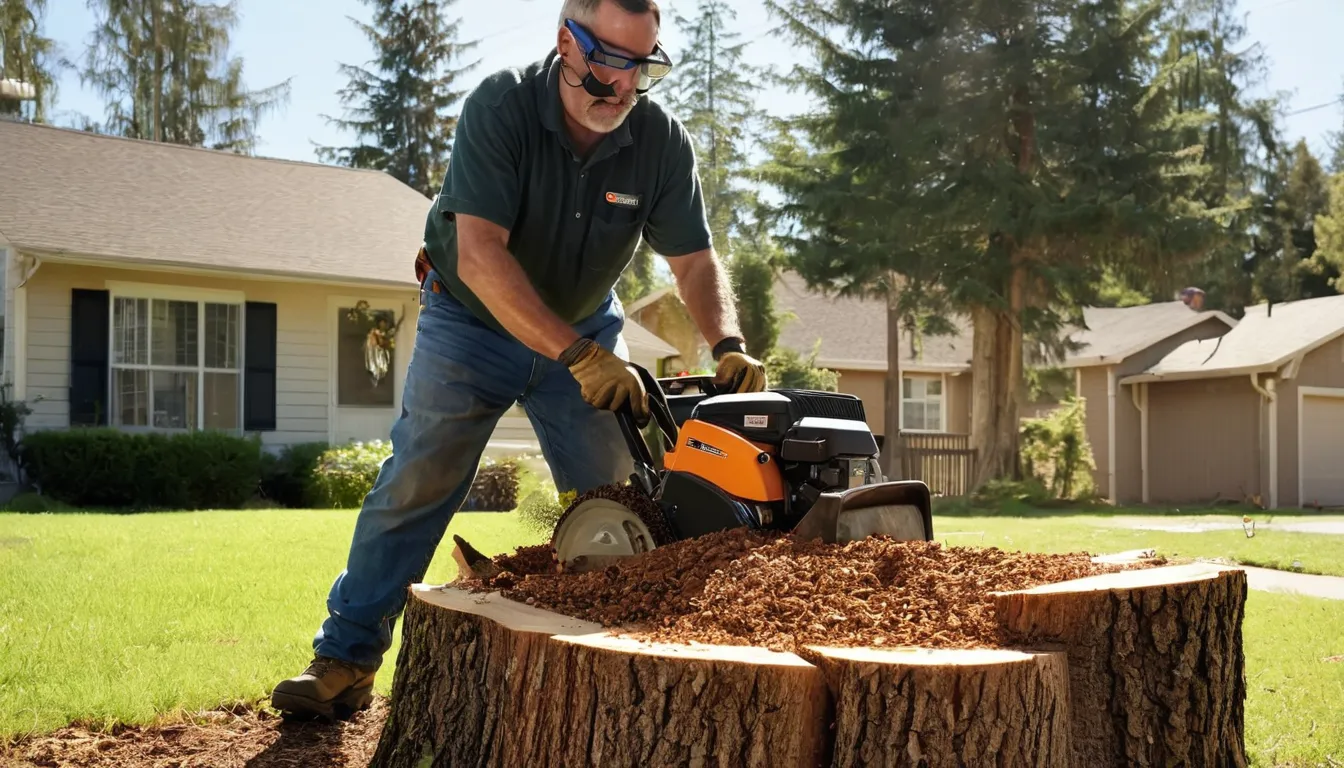
A stump left behind after a tree comes down is more than an eyesore. It can trip people, hide pests, send up new shoots and block your lawn plans. Stump grinding is the usual fix. A provider uses a grinder to chew the stump into wood chips, below the soil line.
Yetartist Tree Service is a referral service. We do not grind stumps. We lay out your options in clear steps, then connect you with independent local providers in the Castle Pines area. Older homes get extra attention, since buried lines, old repairs and surprise roots change the plan. You request an estimate, compare, and choose. Nothing is required until you pick a provider.
Start with the stump itself. Is it freshly cut or years old? Is it close to a foundation, a patio or a sprinkler line? Your answers shape the plan.
Stump grinding means a provider shaves the stump down below ground level with a powered grinder. The wood becomes chips. The roots usually stay in the soil and slowly break down.
A stump seems harmless. It is not. Here is what it can cause:
Older houses hide surprises. Roots may wrap around a clay or cast iron sewer line. A past repair may sit just under the grass. An old patio slab or buried utility line may be near the stump.
Tell every provider your home's age and any repairs you know about. Plan before cutting. It is much easier than fixing a damaged line.
Heavy snow loads and hail can bring trees down. After storm tree clearance or emergency tree removal, a rough stump often remains.
Here is the order that usually works:
1. First, make the area safe and clear the fallen tree. 2. Next, check for damage to fences, lines and roofs. 3. Then schedule the stump grinding when the yard is ready.
The stump is rarely the urgent part. Ask a provider about timing.
Before a grinder starts, lines should be located. Many areas have a utility marking service. Providers often know how to request it. Ask who handles that step.
The provider positions a machine with a spinning cutting wheel. It sweeps back and forth across the stump. It cuts down several inches below the surface, sometimes deeper if you plan to plant.
Small stumps go quickly. Large, old or very hard stumps take longer.
Grinding leaves a mound of chips. Ask what the provider does with them. Some leave them, some haul them away, and some fill the hole for you.
These are not the same job. Know your options first.
Most homeowners choose grinding. Full removal makes more sense if you are pouring a slab or building where the tree stood.
Providers price by the job. Common factors:
Get a written quote. The table on this page shows typical U.S. ranges.
Use this short checklist:
1. Clear toys, hoses and furniture from the area. 2. Mark sprinkler heads and any lines you know about. 3. Keep pets and kids indoors. 4. Make sure the provider can reach the stump. 5. Move vehicles out of the driveway.
Old stumps are common on older properties. A stump from a past owner may be soft with rot or hard as stone. Either can surprise you.
There may also be old fence wire, nails or buried debris. Mention how long the stump has been there so the provider can plan.
Dry air and strong sun at altitude can leave old stumps very dense. That can slow grinding. Fast spring melt makes soil soft, so heavy equipment may leave ruts. Ask the provider about timing and ground protection.
First, check the area for leftover chips or debris. Next, decide what goes in the spot. Then act on that choice.
Watch for sprouts over the next season. Cut them back if they appear.
Pick a stump or two, take a few photos, and note any lines you know about. Then request an estimate. You compare, and you choose.
A provider cuts the stump several inches under the soil line with a powered grinder.
Ask whether chips stay as mulch, get hauled away, or are used to fill the hole.
Providers look for surface roots, buried lines and old repairs before the grinder ever starts.
Each independent provider explains the scope and price in writing before you agree to any work.
Prices vary by stump size, wood type, access and location. These are typical U.S. ranges only. Always ask each provider for a written quote before you agree.
| Item | Typical range | Notes |
|---|---|---|
| Small stump (under 12 in.) | $100 – $250 | Easy access keeps price down |
| Medium stump (12–24 in.) | $200 – $450 | Most common residential size |
| Large stump (over 24 in.) | $400 – $800+ | Wide or old stumps take longer |
| Extra stumps, same visit | $75 – $300 each | Providers often reduce the per-stump rate |
| Chip and debris haul-away | $50 – $250 | Depends on volume and distance |
| Surface root grinding | $50 – $300 | Charged when roots are large or numerous |
Share the stump size, how long it has been there, and anything buried nearby.
Send the form, or request a callback to check provider availability in your area.
Review written quotes, scope and timing from independent providers.
Pick the provider you like, then agree on a date and what cleanup includes.
We flag buried lines, past repairs and hidden surprises so providers can plan before any cutting starts.
You see the choices and likely next steps before anyone starts work.
Local providers do the work. Yetartist Tree Service only connects you with them.
Request an estimate and compare. Nothing is required until you choose.
Request an estimate and describe your tree. A local provider from our network will follow up. No obligation to hire.
Most providers grind several inches to a foot below the soil line. If you plan to plant grass or a new tree there, ask for a deeper cut and confirm it in the quote.
For most yards, yes. Grinding causes less digging and less damage to the lawn. Full removal makes more sense if you plan to build or pour concrete where the stump stands.
Often you can, but wait a bit. Ground wood chips and old roots settle and break down. Many providers suggest removing the chips first or planting a few feet from the old spot.
Request an estimate and describe your tree. A local provider from our network will follow up. No obligation to hire.
No obligation